# Modern Dentures: Not Your Grandma's False Teeth
When most people think of dentures, they picture the bulky, uncomfortable false teeth from decades past. The ones that clicked when you talked, slipped when you ate, and sat in a glass on the nightstand. That image is outdated. Modern dentures have come a long way in fit, function, and appearance.
If you or a loved one is considering dentures, here is what you should know about today's options.
---
Who Are Dentures For?
Dentures are a solution for people who have lost several or all of their teeth due to decay, gum disease, or injury. You might be a candidate if:
- You are missing most or all of your teeth in one or both arches
- Remaining teeth are too damaged to save
- You want to restore your ability to eat, speak, and smile with confidence
- You are looking for a more affordable alternative to multiple implants
There is no age requirement. While dentures are more common among older adults, patients of all ages benefit from them when other options are not feasible.
---
Types of Dentures
Full Dentures
Full (or complete) dentures replace all the teeth in your upper jaw, lower jaw, or both. They rest on the gums and are custom-made to fit the shape of your mouth. Modern full dentures are crafted from high-quality acrylic and designed to look like natural teeth and gums.
Partial Dentures
If you still have some healthy teeth remaining, a partial denture fills in the gaps. Partials use clasps or precision attachments to anchor to your existing teeth, preventing them from shifting and restoring your full bite.
Implant-Supported Dentures
This is where modern dentistry really shines. Implant-supported dentures snap onto dental implants placed in your jawbone, giving you a level of stability that traditional dentures cannot match. They will not slip, click, or shift when you eat or talk.
Benefits of implant-supported dentures include:
- Stronger bite force for eating a wider variety of foods
- No adhesives needed
- Reduced bone loss because the implants stimulate the jawbone
- Improved confidence knowing your dentures are secure
---
What Modern Dentures Look Like
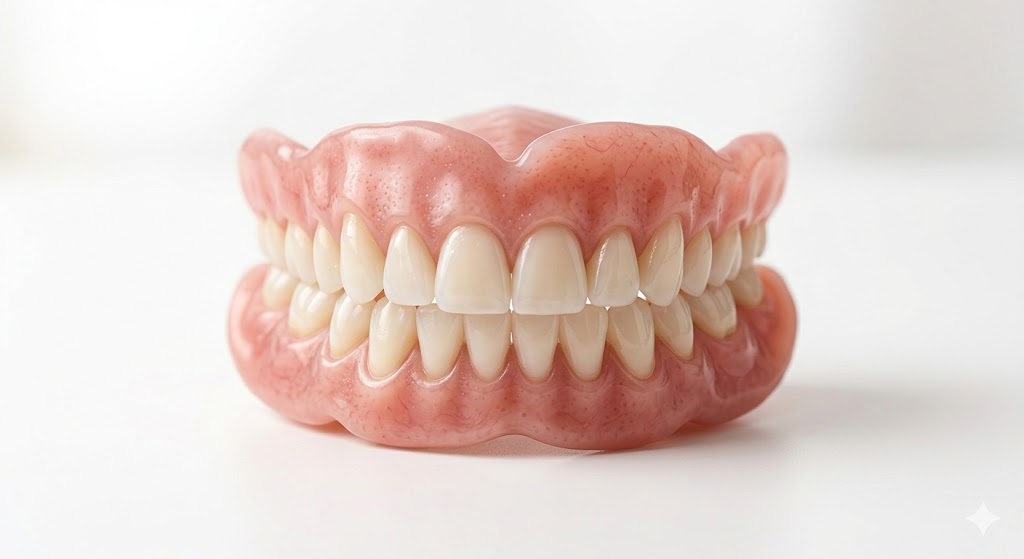
The materials and techniques used today produce dentures that look remarkably natural. Teeth are individually shaped and colored to match what your smile should look like. The gum-colored base is crafted with subtle variations in shade and texture, just like real gum tissue.
Most people will not be able to tell you are wearing dentures unless you tell them.
---
The Process of Getting Dentures
Getting dentures is not a one-appointment process, but it is straightforward:
- Evaluation: We examine your mouth, take X-rays, and discuss your goals
- Impressions: Precise molds of your jaw and any remaining teeth
- Try-in: You test a wax model of your dentures so we can fine-tune the fit and appearance
- Delivery: Your final dentures are placed and adjusted for comfort
- Follow-up: We schedule visits to make adjustments as your mouth adapts
Most patients adjust to their new dentures within a few weeks. It is normal for things to feel different at first, especially when eating and speaking.
---
Caring for Your Dentures
Dentures need daily care, just like natural teeth:
- Remove and rinse after eating to clear food particles
- Brush daily with a soft-bristled denture brush (not regular toothpaste, which is too abrasive)
- Soak overnight in a denture cleansing solution or plain water
- Clean your gums and tongue each morning before inserting your dentures
- Handle with care. Place a towel in the sink when cleaning them, so they do not break if dropped
- Visit your dentist regularly for checkups and professional cleaning
---
When Dentures Need Repair or Replacement
Over time, dentures may need to be relined, rebased, or replaced. Your jawbone and gums change shape gradually, especially in the first year after tooth loss. Signs that your dentures need attention:
- They feel loose or uncomfortable
- You notice sore spots on your gums
- They crack, chip, or break
- You are having more difficulty eating or speaking than usual
Do not try to repair dentures yourself with over-the-counter adhesives or kits. Improper repairs can damage the denture and irritate your mouth. Bring them to our office and we will get them right.
---
Cost Considerations
The cost of dentures varies depending on the type (full, partial, or implant-supported), the materials used, and whether additional procedures like extractions are needed. Dental insurance often covers a portion of the cost, and we accept most major plans including Delta Dental, Cigna, Aetna, Blue Cross Blue Shield, and others.
We will always give you a clear estimate before starting treatment so there are no surprises.
---
Take the Next Step
If you are living with missing teeth or struggling with old dentures that no longer fit well, modern solutions can make a real difference in your daily life. We would be happy to talk through your options and help you find the right fit.
Call East Lake Dental at (248) 437-4119 or request an appointment online.Questions About Your Dental Health?
We're here to help. Schedule an appointment or give us a call.
Request an Appointment