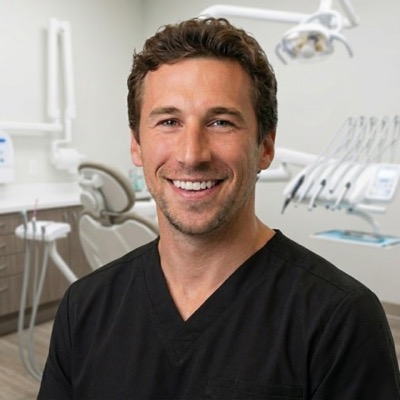

If it's been 2, 3, 5, 10, 15, or even 20 years since your last dental visit, you're not alone. Life gets busy. Maybe you lost your insurance, moved to a new area, had a bad experience as a kid, or just kept putting it off one more year. Whatever the reason, we hear it every single week at East Lake Dental in South Lyon. And we want you to know something: there is nothing to be embarrassed about.
You're reading this because you're thinking about going back. That's the hardest step, and you've already taken it. This guide will walk you through exactly what to expect, whether it's been a couple of years or a couple of decades.
Quick answer: what to expect at your first dental visit after years away
Your first visit back is mostly information gathering, not treatment. You can expect a friendly check-in, a full set of digital X-rays, a complete exam, and usually a cleaning. Your dentist then reviews what they find and builds a no-pressure plan to get you caught up. Most first visits back take about an hour, and there is no judgment.
- Check-in and a conversation about your history and any anxiety
- Digital X-rays to see what is happening below the surface
- A full exam of your teeth, gums, and bite
- A cleaning, or a plan for one if other work comes first
- A clear, prioritized treatment plan with cost estimates
Exam and X-rays typically cost $150-$350 without insurance.
Visit Our South Lyon office.
First, a Promise: No Judgment Here
We see patients every week who haven't been to a dentist in years. Some come in worried we'll lecture them or make them feel bad. We won't. Dr. Jenkins has been practicing since 1981, and in over four decades of dentistry, he's seen everything. Nothing surprises us, and nothing makes us think less of a patient.
Our job isn't to shame you for the past. It's to help you move forward with a healthy smile. Whatever condition your teeth are in right now, we've seen it before, and we're genuinely glad you're here.
If dental anxiety has kept you away, please let us know when you call. We can schedule extra time, discuss comfort options, and make sure you feel safe before we begin anything.
Haven't Been to the Dentist in 2 or 3 Years?
If it's been two or three years since your last visit, take a breath. You're probably in better shape than you think.
For most patients in this range, the visit looks a lot like a routine checkup. You might have some tartar buildup that brushing and flossing alone can't remove. There may be a cavity or two that developed since your last visit. But generally, two to three years is a very manageable gap.
What to expect:
- A standard cleaning (called a prophylaxis) is usually all you need
- One or two small cavities are common but easy to fix
- Your gums may bleed a little during cleaning, which is normal after time away
- The whole visit is usually done in about an hour
Think of it like getting an oil change a few thousand miles late. Not ideal, but your car (or in this case, your mouth) is going to be just fine.
Haven't Been to the Dentist in 5 Years?
Five years is the range where we start to see a bit more going on, but please don't let that scare you. The overwhelming majority of patients who come in after a five-year gap walk out feeling relieved because it wasn't nearly as bad as they imagined.
What we typically see:
- More significant tartar buildup, especially behind the lower front teeth and along the gumline
- Early to moderate gum disease (gingivitis or early periodontitis), which is very treatable
- A few cavities, some of which may be larger than they would have been if caught earlier
- Possible need for a deep cleaning (scaling and root planing) instead of a standard cleaning
A deep cleaning sounds intimidating, but it's really just a more thorough version of a regular cleaning. We numb the area so you're comfortable, and we clean below the gumline where bacteria have settled. Most patients need two visits to complete it (we do one side of the mouth at a time), and the improvement in gum health afterward is dramatic.
The good news? Five years is well within the window where everything is very fixable. No lectures. Just a solid plan to get you caught up.
Haven't Been to the Dentist in 10 Years or More?
This is where patients tend to feel the most nervous. If you haven't seen a dentist in 10, 15, or 20 years, you may be imagining the worst. You might be picturing a dentist shaking their head, telling you everything needs to come out.
Here's the truth: that almost never happens.
Yes, after a decade or more, there's likely more work to do. You may be dealing with:
- Advanced tartar buildup and moderate to severe gum disease
- Multiple cavities, some of which may have reached the nerve (requiring root canals)
- Cracked or broken teeth that need crowns
- Possible tooth loss, though this is less common than most people fear
- Bone loss around the teeth from untreated gum disease
But modern dentistry can do remarkable things. Teeth that patients assumed were hopeless can often be saved with crowns, root canals, or periodontal treatment. We have materials and techniques today that simply didn't exist 20 years ago.
The key is that we won't try to do everything at once. After a thorough exam, we'll build a phased treatment plan that addresses the most urgent issues first (anything causing pain or infection) and then works through the rest over weeks or months. You stay in control of the pace and the budget.
We've had patients come in after 15 or 20 years expecting the worst, and within a few months of phased treatment, they're smiling with confidence again. It's one of the most rewarding things we get to do.
I haven't been to the dentist in 10 years
If you haven't been to the dentist in 10 years, you are not starting over from scratch. There is often more tartar, gum inflammation, or a cavity or two that needs attention. It is almost never the "everything has to come out" visit people picture. We examine first, then build a plan that starts with anything urgent and spreads the rest over time.
I haven't been to the dentist in 15 years
Fifteen years away is more common than people think. Patients come in after 15 years expecting the worst and are often relieved that most teeth can be saved with crowns, root canals, or periodontal treatment. We will not try to do everything at once. You stay in control of the pace.
What happens if you don't go to the dentist for 20 years?
After 20 years, there is usually more work on the list: tartar below the gumline, gum disease, cavities, or a cracked tooth that needs a crown. Tooth loss is less common than most people fear. Extraction is a last resort. The first visit is an exam and a conversation, then a phased plan. Even after 20 years away, most patients keep most or all of their natural teeth.
Scared to go to the dentist after 10 years?
Feeling scared to go to the dentist after 10 years is normal. Tell us when you call. We can schedule extra time, go slowly, and explain each step before we start. Our job is to help you move forward, not lecture you about the past.
I haven't been to the dentist in years and I'm scared
If you haven't been to the dentist in years and you're scared, you are in good company. We see patients every week who feel the same way. Mention it when you schedule so the team is ready to make you comfortable. The first visit is mostly information gathering, not treatment. There is nothing to be embarrassed about.
What Happens at Your First Dental Visit Back
1. Paperwork and Medical History
You'll fill out forms about your health history, current medications, and any dental concerns. Be honest about how long it's been. This helps us tailor our approach and make sure we're prepared.
2. Getting to Know You
Before looking in your mouth, we'll have a conversation. We want to understand:
- Any pain or problems you're currently experiencing
- What kept you from visiting sooner (so we can address those barriers)
- Your concerns and goals for your smile
- Any anxiety or fears about dental work
3. Comprehensive Exam
We'll do a thorough examination including:
- Full-mouth X-rays: Looking for hidden decay, bone loss, infections, and other issues beneath the surface
- Visual exam: Checking every tooth, your gums, tongue, and soft tissues
- Gum measurements: Using a small probe to check pocket depths around each tooth (this tells us about gum disease)
- Oral cancer screening: A quick, painless check of your mouth, throat, and neck
4. Honest Discussion
After the exam, we'll sit down and talk through what we found. If there's work needed, we'll explain:
- What needs to be done and why
- What's urgent versus what can wait
- Your treatment options (there's usually more than one approach)
- Estimated costs and insurance coverage
- A realistic timeline that works with your schedule and budget
5. Cleaning (Maybe)
If your gums are healthy and it's just been a couple of years, we may do a cleaning at this first visit. However, if there's significant buildup or gum disease, we'll likely recommend a deep cleaning at a follow-up appointment. This isn't a punishment. It just means your teeth need a little extra attention, and we want to do it right.
Common Concerns After Years Away
"My teeth are probably a disaster"
Many patients expect the worst and are pleasantly surprised. Yes, you might have some cavities or gum issues to address. But it's rarely as bad as you imagine. Teeth are tougher than you think, and even if significant work is needed, it's all fixable with today's dentistry.
"This is going to hurt"
Dentistry has come a long way, especially when it comes to pain management. We use topical numbing gel before injections, and modern anesthetics work quickly and effectively. Many patients tell us, "That was so much easier than I expected." If you're particularly anxious, we can discuss sedation options before your visit.
"What if I need everything pulled?"
Extractions are always a last resort. Modern dentistry focuses on saving natural teeth whenever possible. Even teeth that look bad on the outside can often be restored with crowns, root canals, or other treatments. In over 40 years of practice, Dr. Jenkins has saved countless teeth that patients thought were goners.
"The dental anxiety is real"
We understand completely. If anxiety has kept you away, we have several ways to help:
- Numbing gel before any injections
- Sedation options for anxious patients
- Taking breaks whenever you need them
- Explaining everything before we do it (no surprises)
- Headphones so you can listen to your own music or a podcast
- A signal you can use anytime you want us to stop
How Much Will It Cost After Years Away?
Cost is one of the biggest reasons people put off going back to the dentist, and we understand that. Here's a straightforward breakdown so there are no surprises.
The initial visit (exam, X-rays, and consultation) typically runs between $150 and $350 without insurance. This is your starting point, and it tells us everything we need to know about what comes next.
If you need a standard cleaning, that's usually $100 to $200 on top of the exam.
If you need a deep cleaning, it ranges from $200 to $400 per quadrant (your mouth has four quadrants). Most insurance plans cover a significant portion of deep cleanings when gum disease is documented.
For additional treatment like fillings, crowns, or root canals, we'll give you a complete cost breakdown before any work begins. You'll never be surprised by a bill.
Here's what matters most: you don't have to do everything at once. We routinely phase treatment over several months so you can prioritize what matters most first. We also work with most dental insurance plans and can help you maximize your benefits.
One thing worth knowing: dental problems almost always cost more the longer you wait. A small cavity that costs $200 to fill today could turn into a $1,200 crown or a $2,000 root canal and crown next year. Coming back now is an investment that saves you money down the road.
How to Prepare for Your Comeback Appointment
- Make a list of any pain, sensitivity, or concerns you've noticed
- Gather your insurance info if you have dental coverage (even if you're not sure it's current, bring the card)
- List your medications including over-the-counter drugs and supplements
- Arrive 15 minutes early to complete paperwork without feeling rushed
- Be honest about your anxiety, your time away, and any past bad experiences
- Eat a light meal beforehand so you're comfortable during the appointment
- Bring headphones if listening to music or a podcast would help you relax
And if you're nervous about calling to make the appointment, know that our front desk team handles these calls every day. You can also request an appointment online if that feels easier.
Frequently Asked Questions
Is it bad if I haven't been to the dentist in 5 years?
It's not ideal, but it's very common and usually very fixable. After 5 years, you may need a deep cleaning and could have some cavities that need attention. The important thing is that you're going back now. Most patients who come in after 5 years are pleasantly surprised that things aren't as bad as they feared.
What happens at your first dentist appointment in years?
Your first visit back includes paperwork, a conversation about your concerns, a comprehensive exam with X-rays, gum measurements, and an oral cancer screening. After the exam, your dentist will discuss findings and create a treatment plan. If your gums are healthy enough, you may get a cleaning at this first visit. If there's significant buildup, a deeper cleaning will be scheduled separately.
Will the dentist judge me for not going in 10 years?
No. A good dentist will never judge you for time away. We see patients every week who haven't visited in years, and we're just glad they're here now. If you're worried about it, mention it when you call to schedule. We'll make a note so your care team is ready to make you extra comfortable.
How much does it cost to go back to the dentist after years?
The initial exam and X-rays typically cost between $150 and $350 without insurance. If you need a deep cleaning, that can range from $200 to $400 per quadrant. Most dental offices (including ours) offer phased treatment plans so you're not paying for everything at once. Dental insurance can significantly reduce your out-of-pocket costs.
What to expect at the dentist after not going for a long time?
Expect a thorough but gentle first visit. The dentist will take X-rays, examine your teeth and gums, check for oral cancer, and measure your gum pockets. You'll get an honest assessment of what's going on and a treatment plan that prioritizes urgent issues first. Many patients find the visit is much easier than they expected.
Can my teeth be saved if I haven't been to the dentist in years?
In most cases, yes. Modern dentistry can restore teeth that patients assumed were beyond help. Crowns, root canals, deep cleanings, and other treatments can save teeth that look or feel like they're in rough shape. Extraction is always a last resort. Even after 10 or 20 years away, the vast majority of patients keep most or all of their natural teeth.
Is it too late to go back to the dentist?
It is never too late. Whether it's been 5 years, 10 years, or 20 years, your teeth and gums can almost always be improved. The best time to go back is today. Every week you wait gives small problems more time to become bigger (and more expensive) ones.
Do I need to tell the dentist how long it's been?
Yes, and please be honest. Knowing how long it's been helps your dentist understand what to look for and how to approach your care. It also helps us schedule the right amount of time for your visit. We're not asking so we can judge you. We're asking so we can take the best possible care of you.
You've Already Done the Hard Part
Reading this article means you're thinking about coming back. That's the biggest step. Whether it's been 2 years or 20, we're ready to welcome you at East Lake Dental in South Lyon, Michigan. No judgment. No lectures. Just honest, caring dentistry from a team that's been doing this for over four decades.
Your teeth are worth it. And so are you.
Ready to Take That First Step? Schedule your comeback appointment. We promise a judgment-free experience. Request My Appointment or call us at (248) 437-4119.We serve patients from South Lyon, Brighton, Milford, Pinckney, Howell, Green Oak Township, Hamburg, Whitmore Lake, Wixom, Salem, Northville, and Novi.
Questions About Your Dental Health?
We're here to help. Schedule an appointment or give us a call.
Request an Appointment